Ruta Korshunova
·
Paper workshop
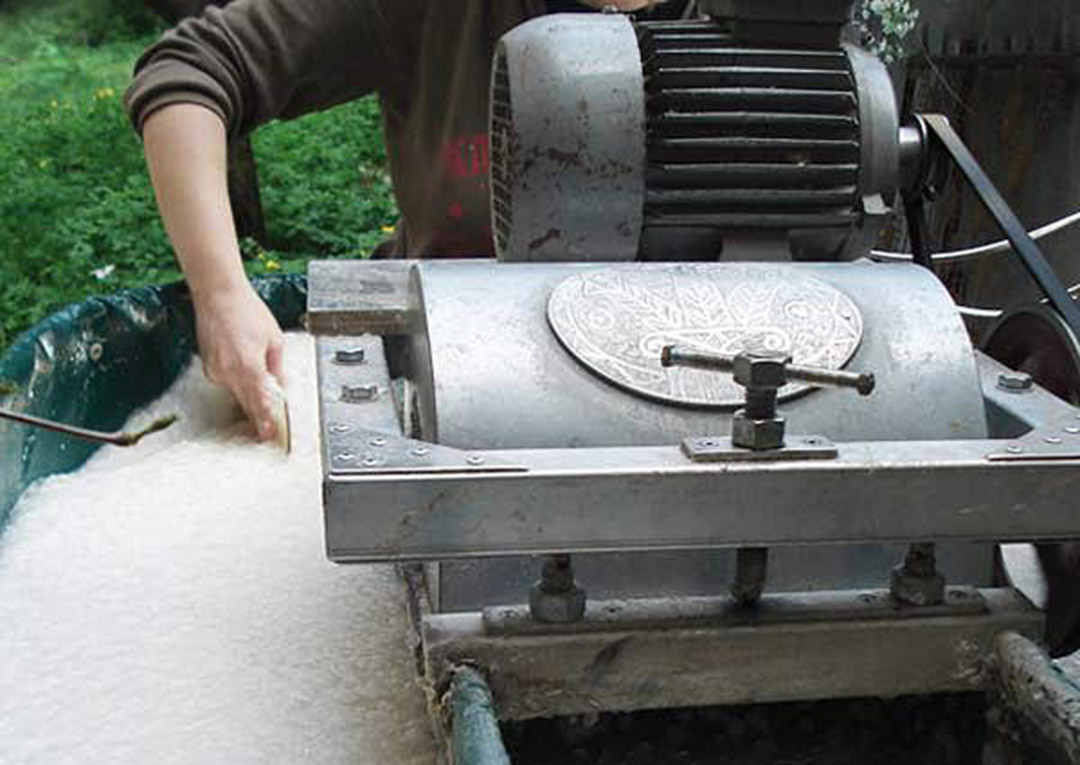
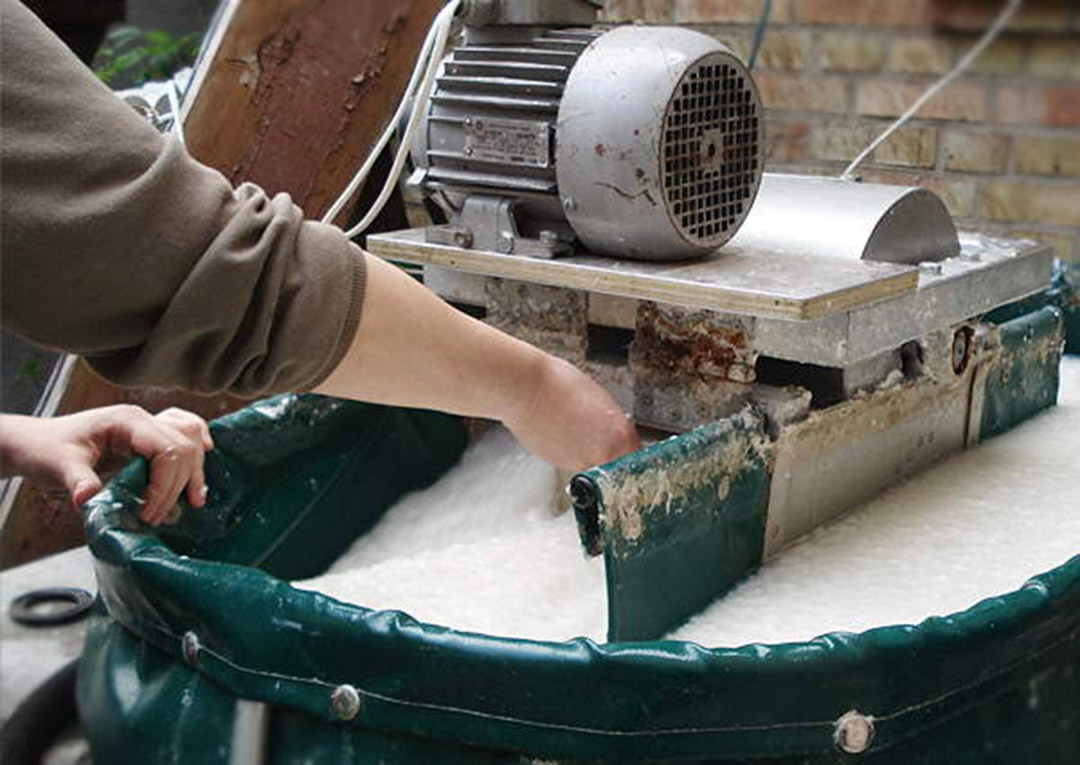
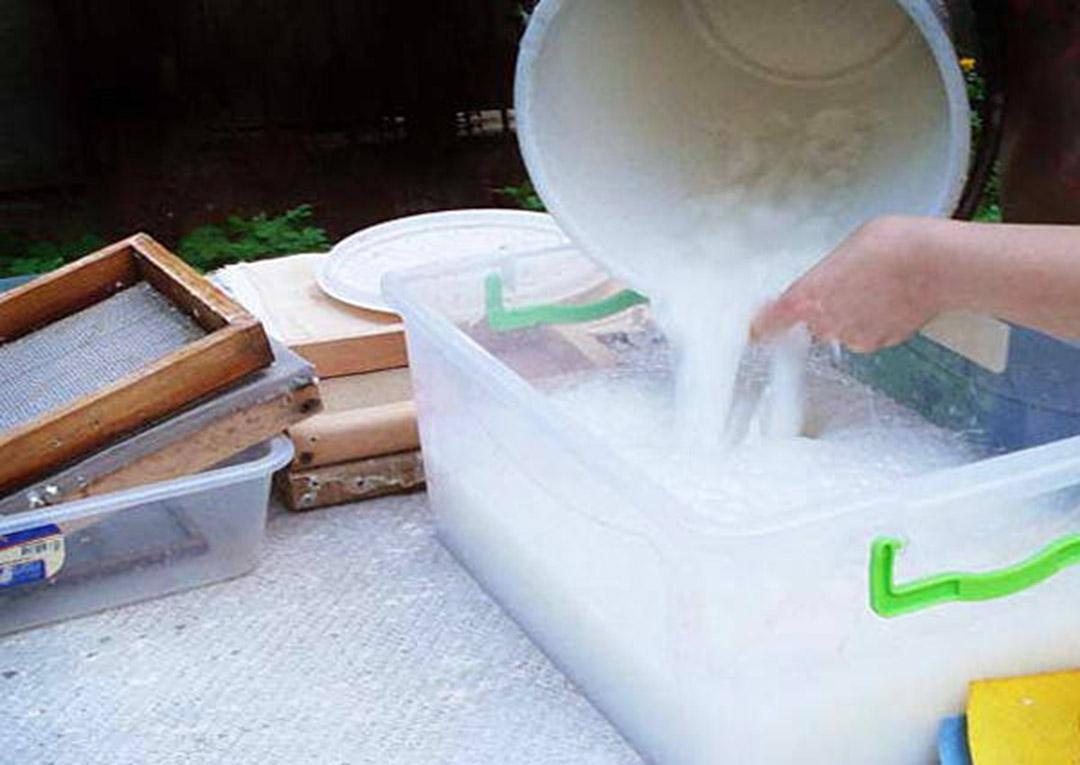
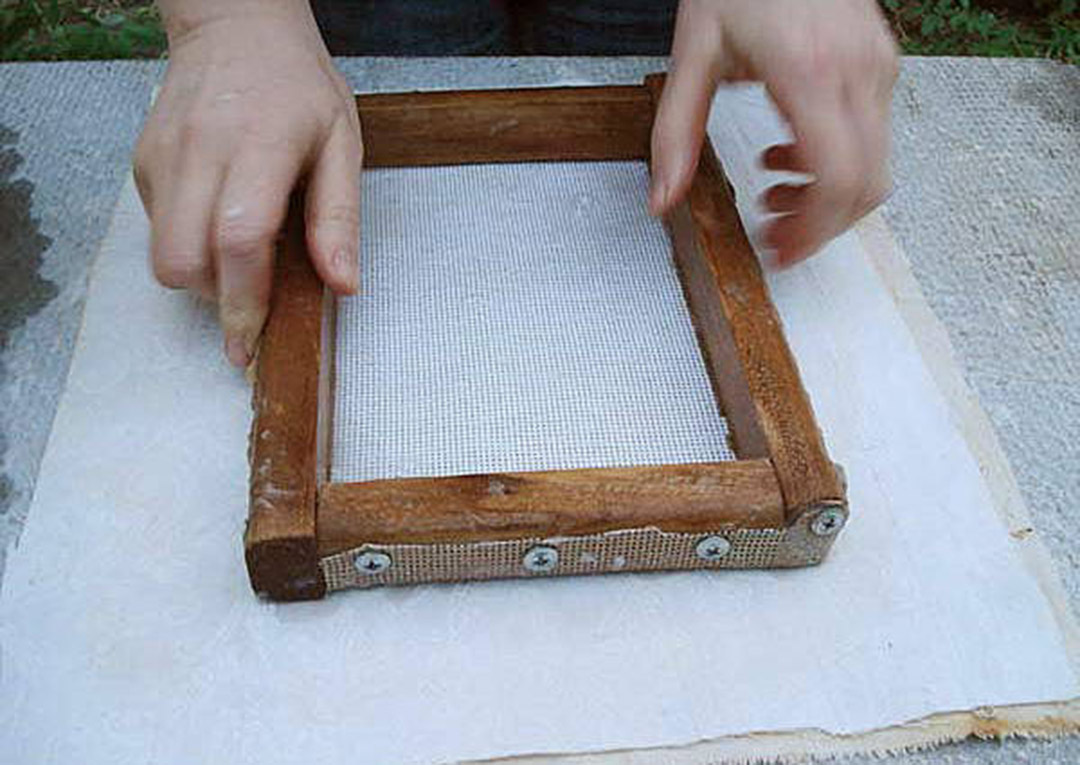
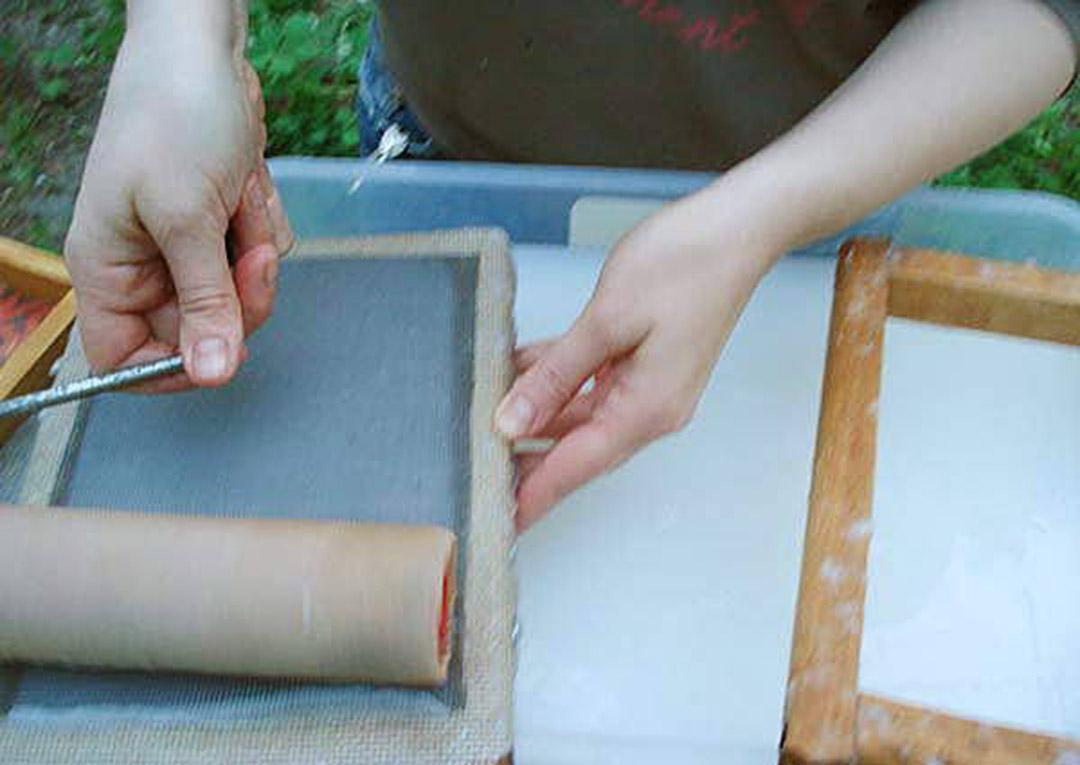
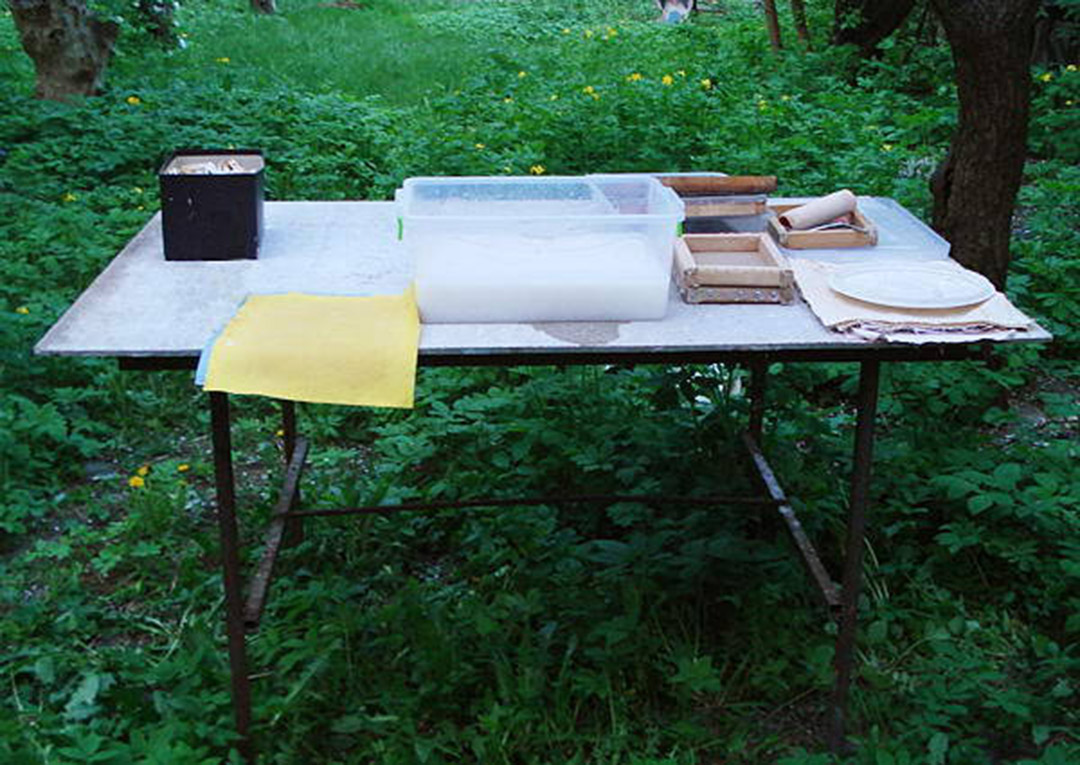
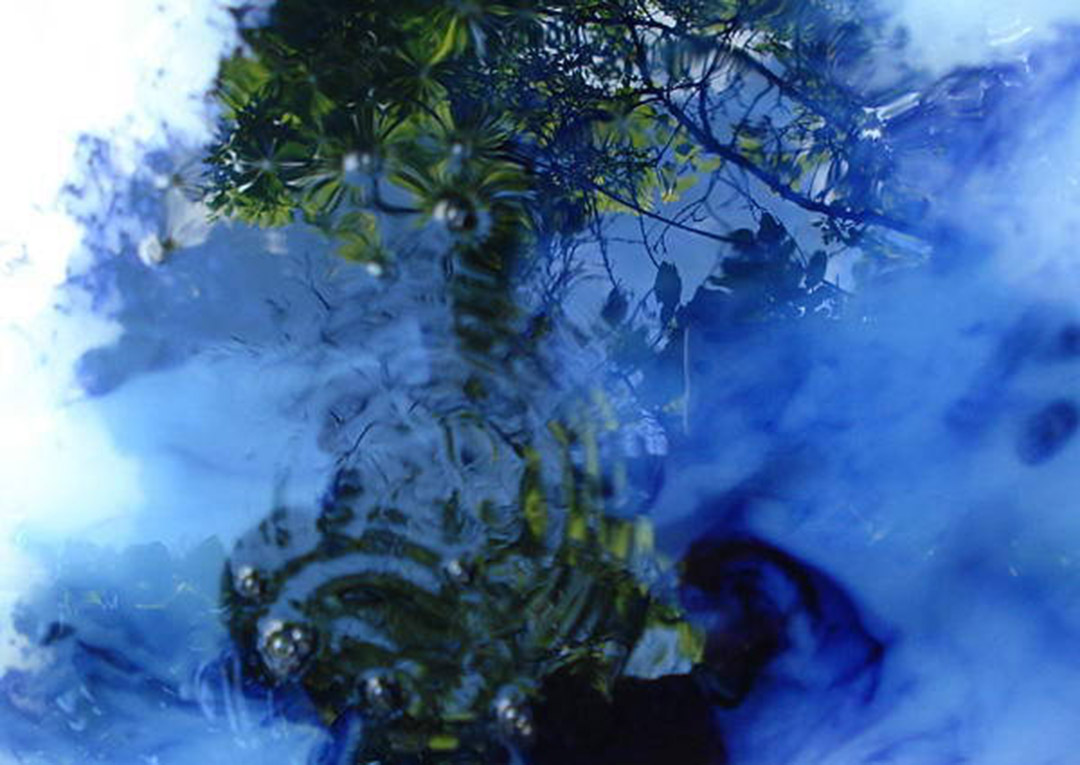
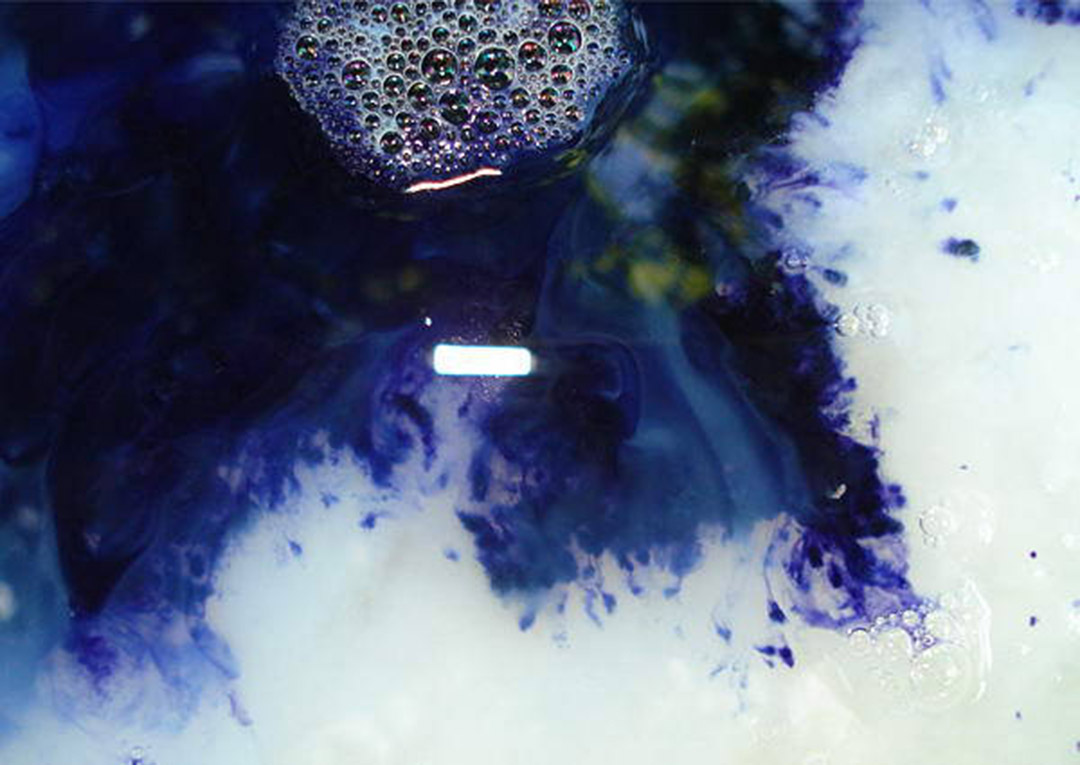
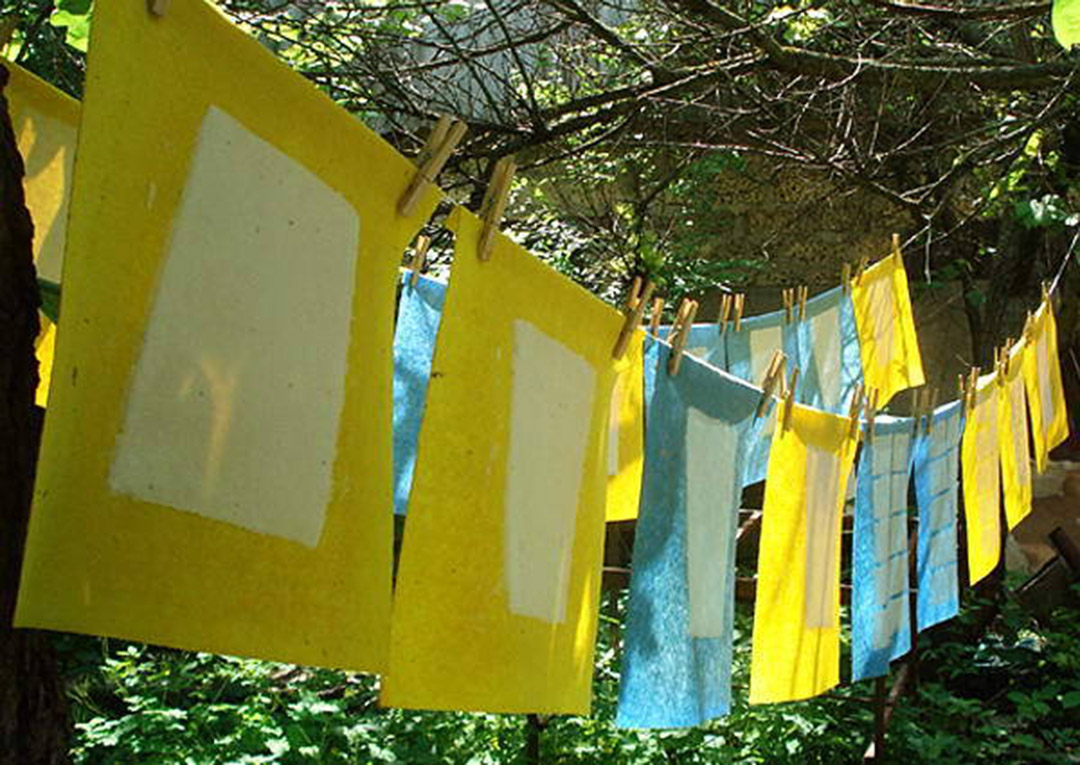
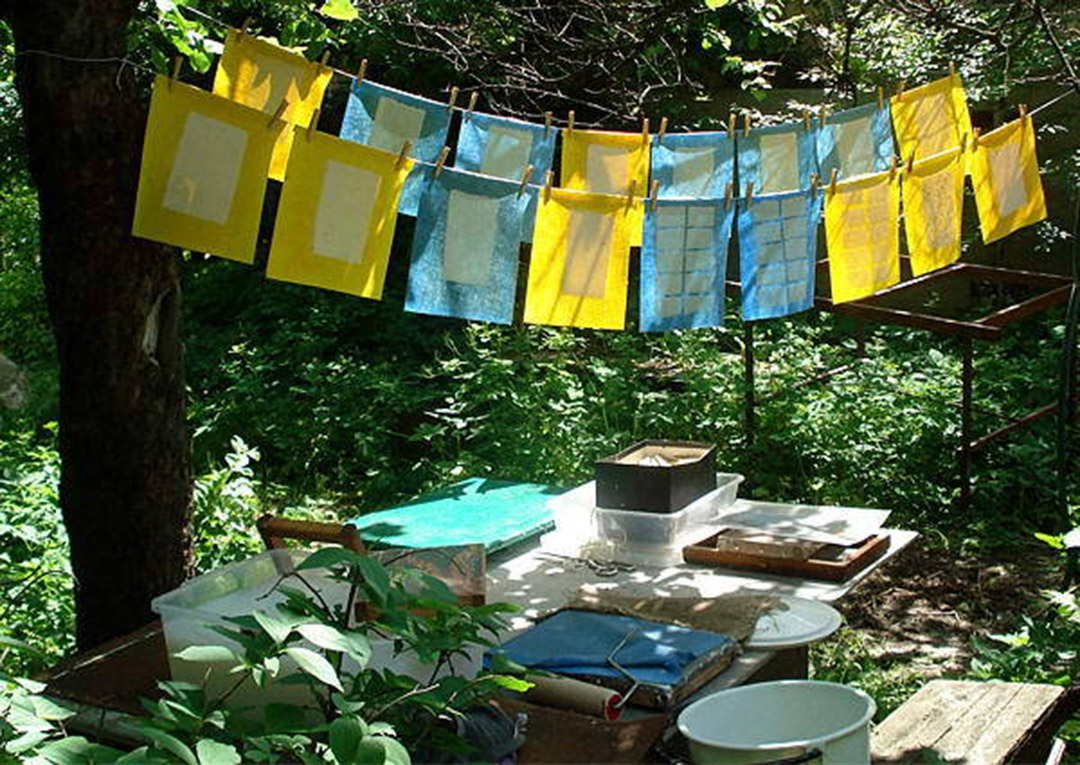
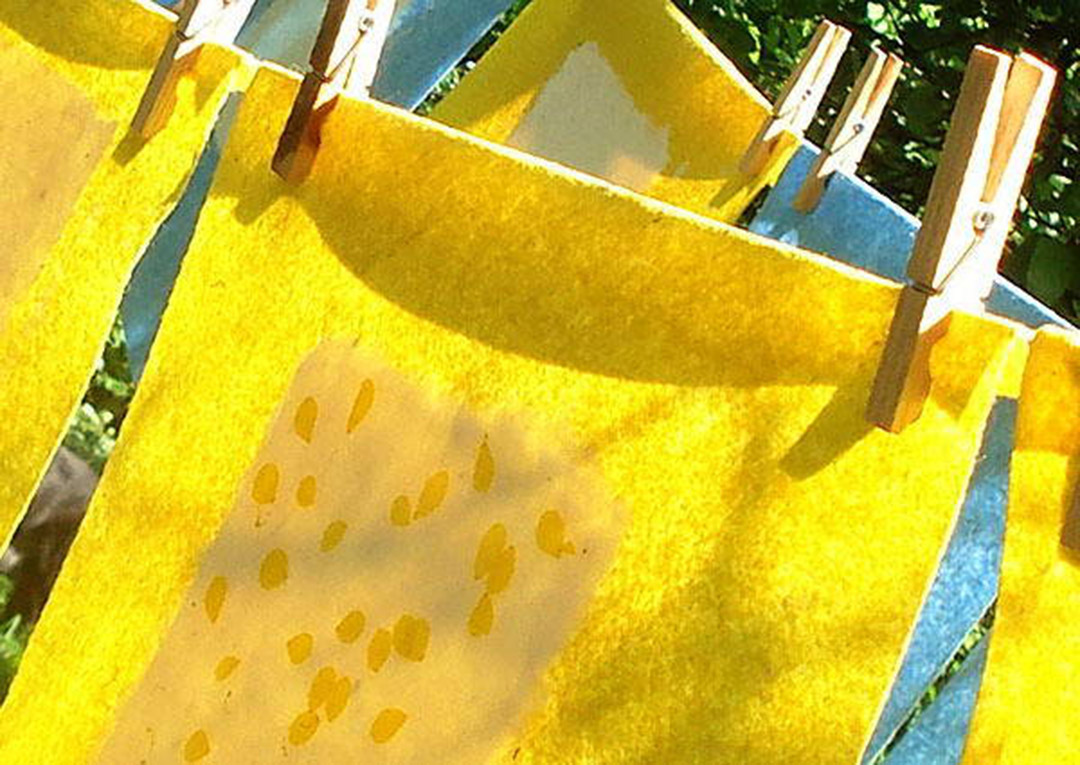
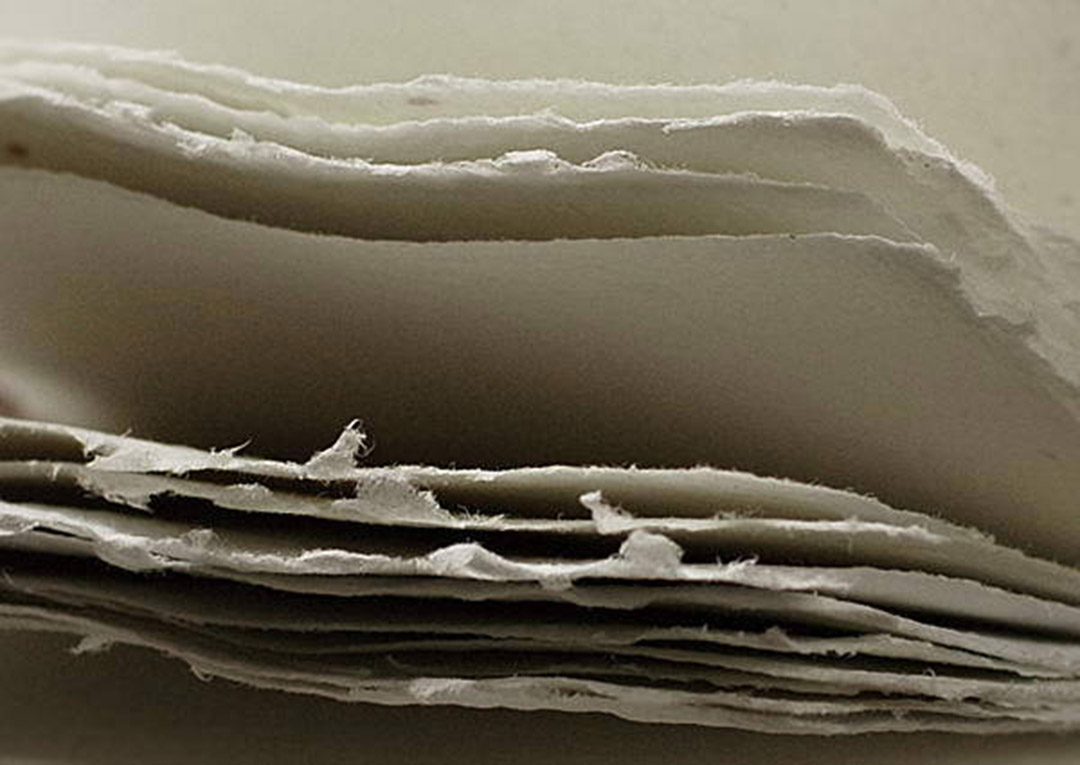
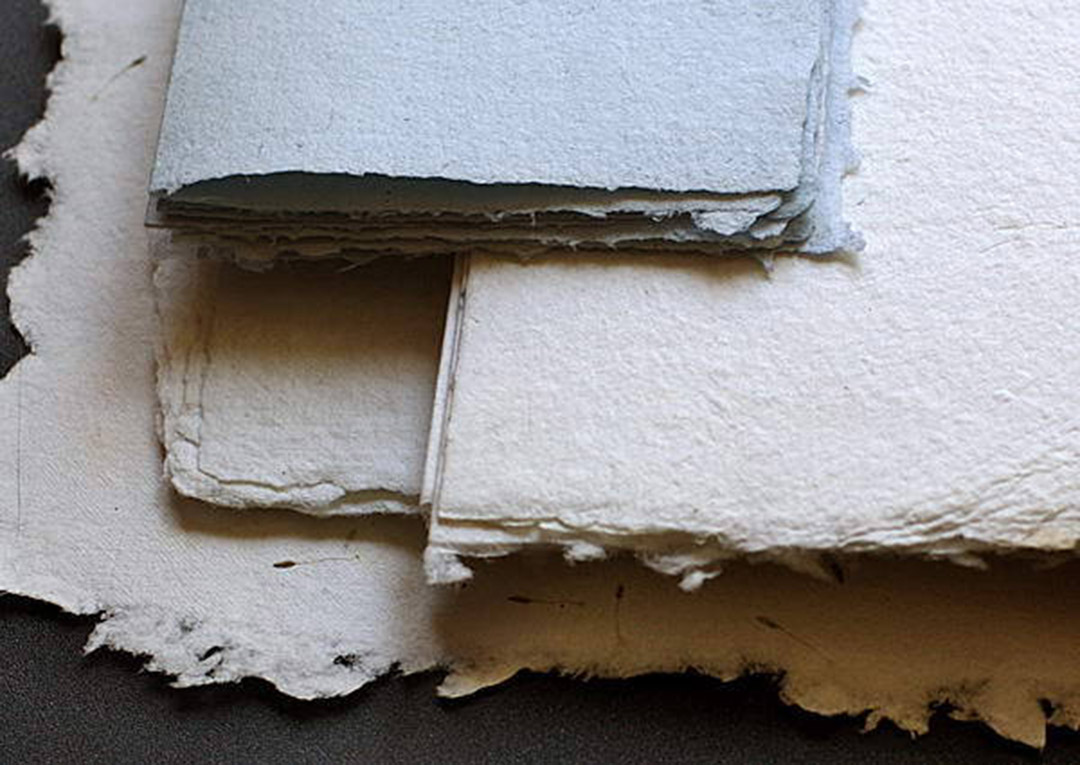
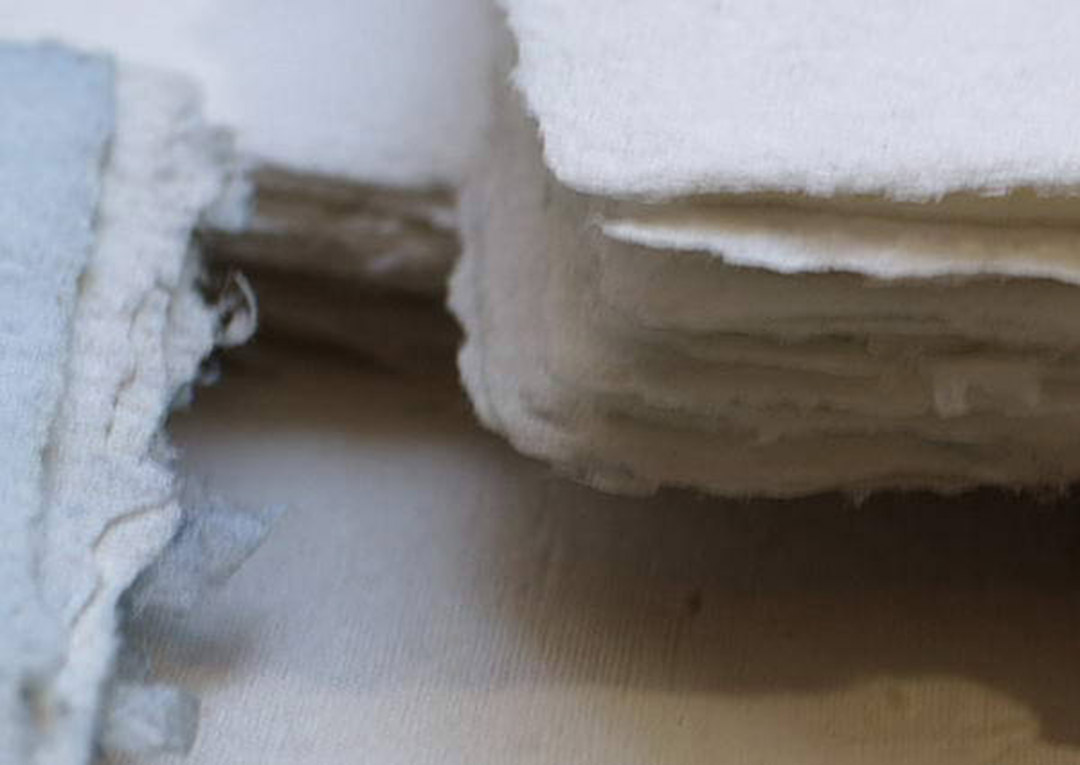
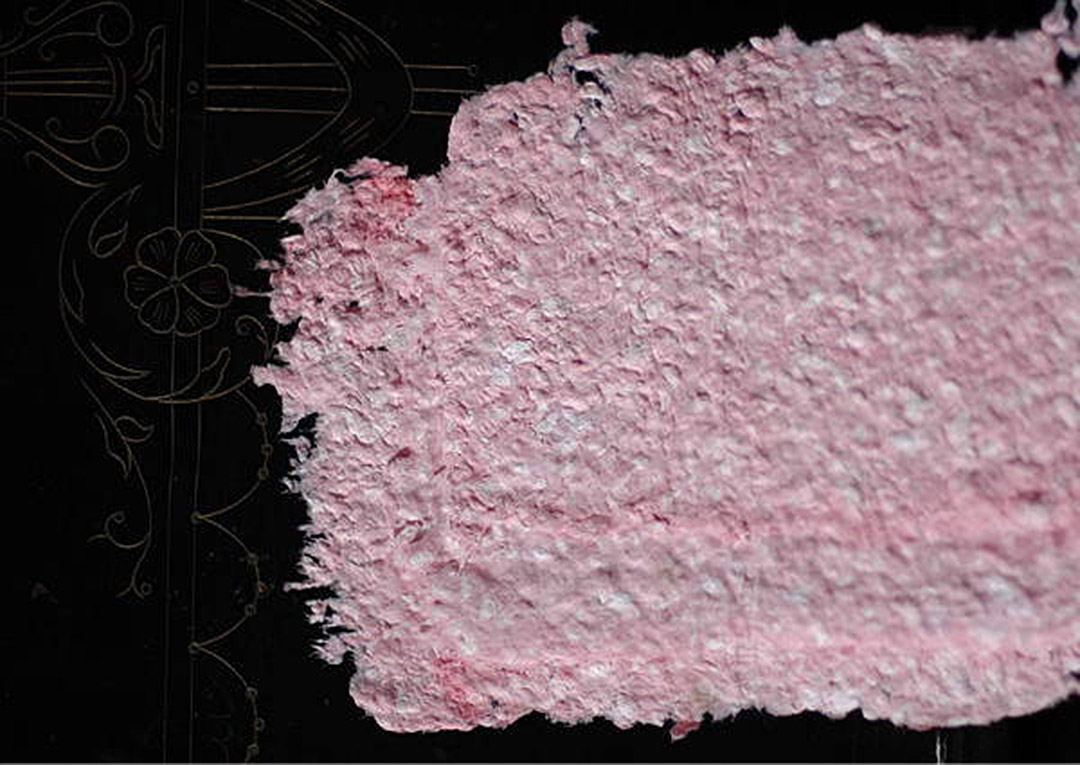
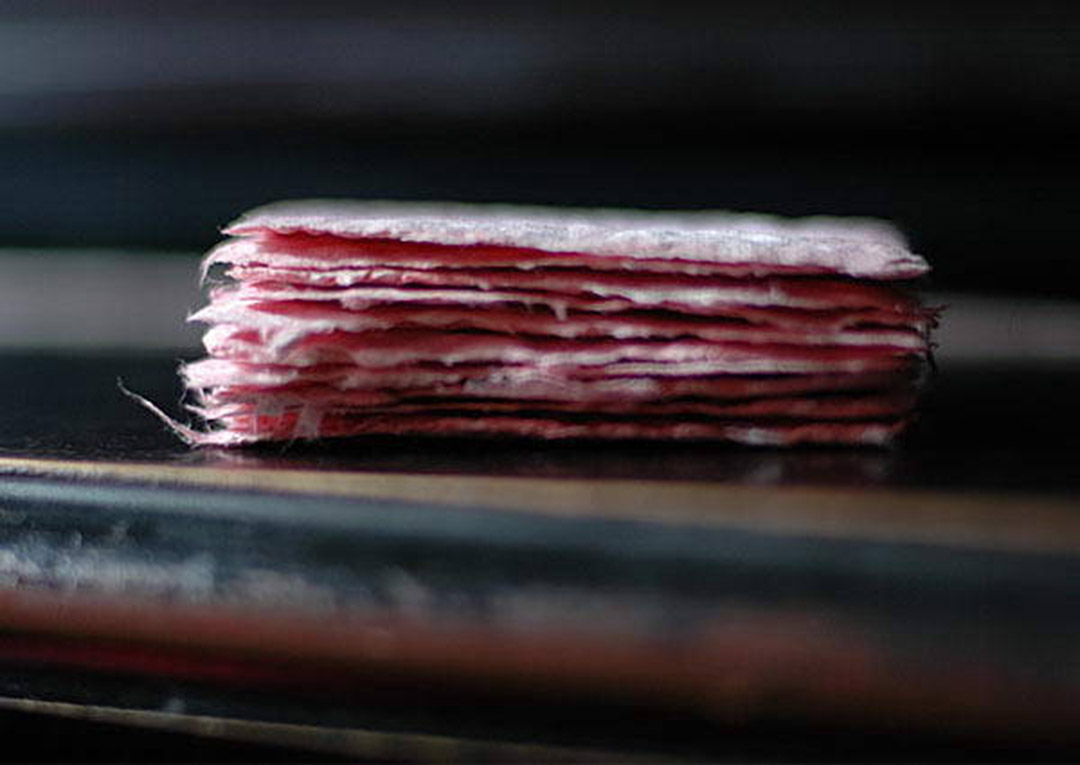
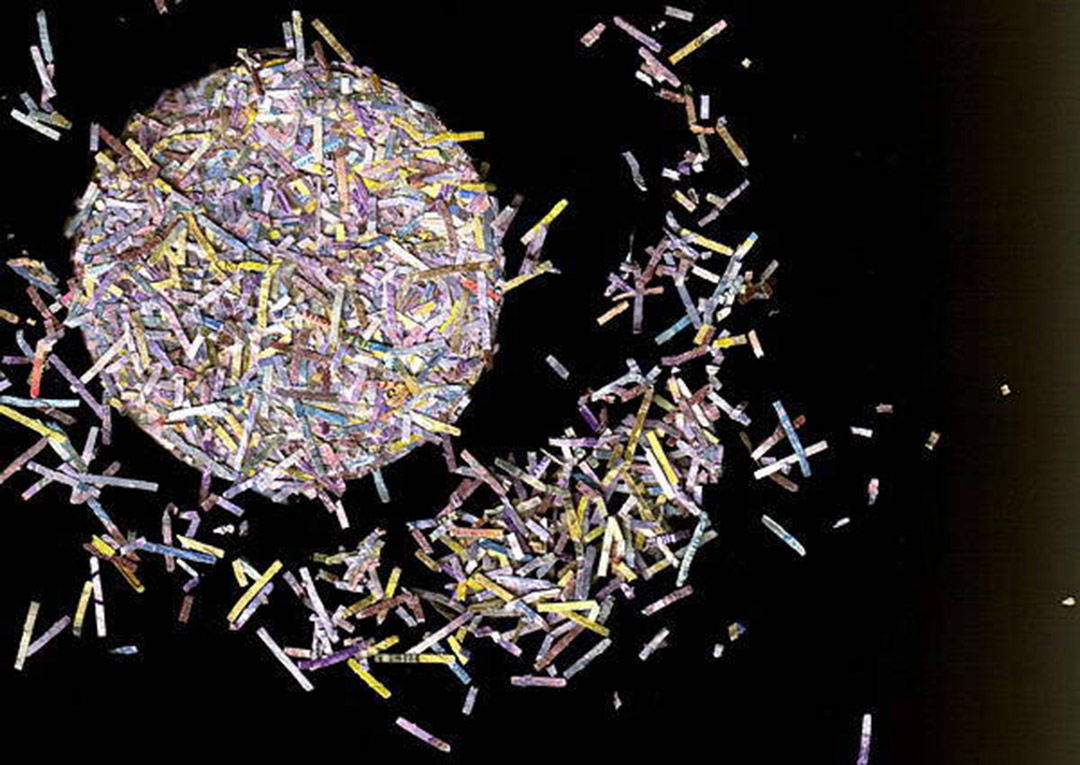
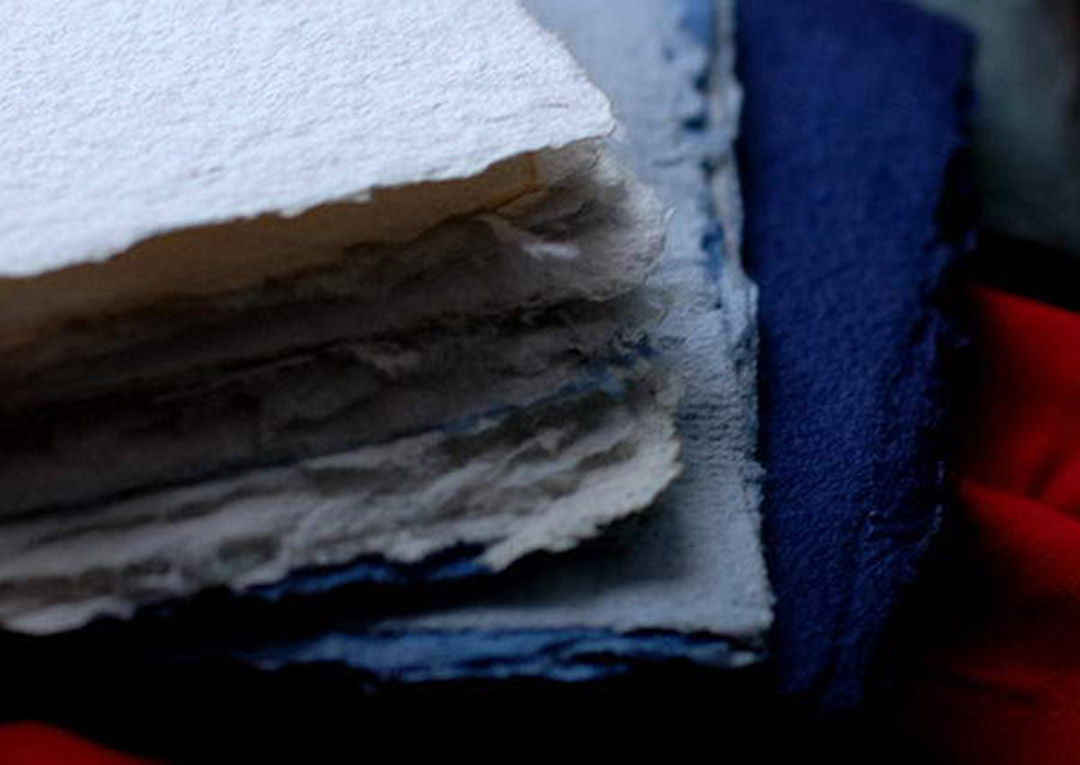
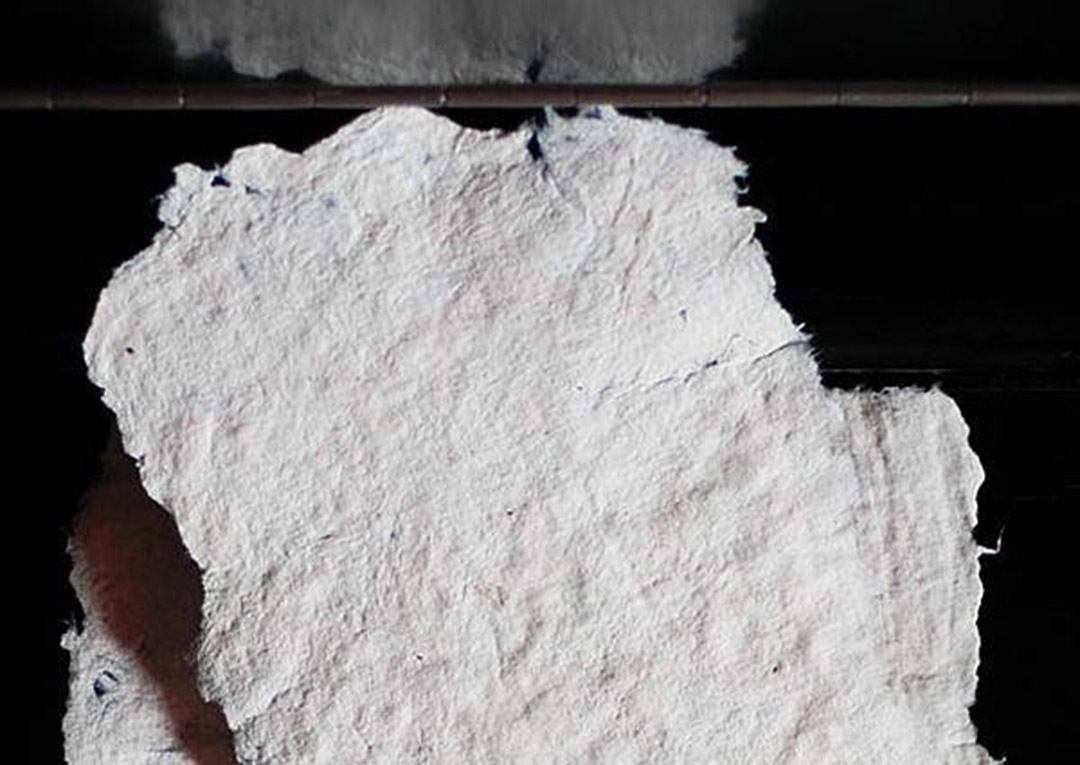
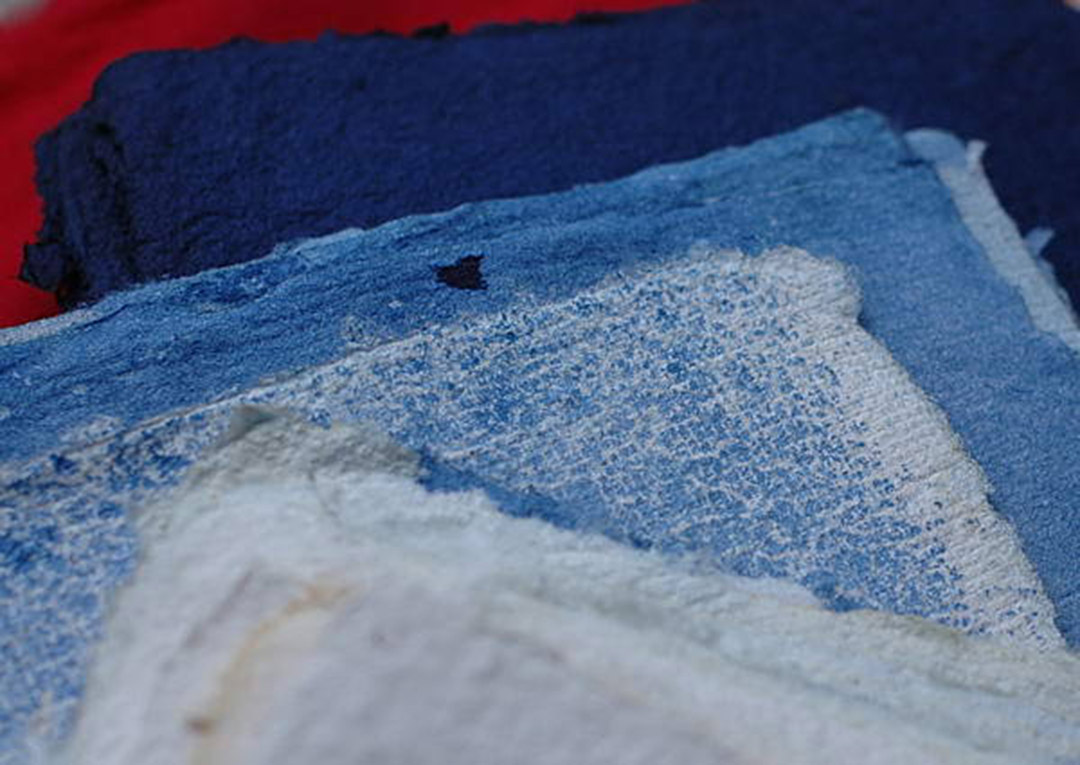
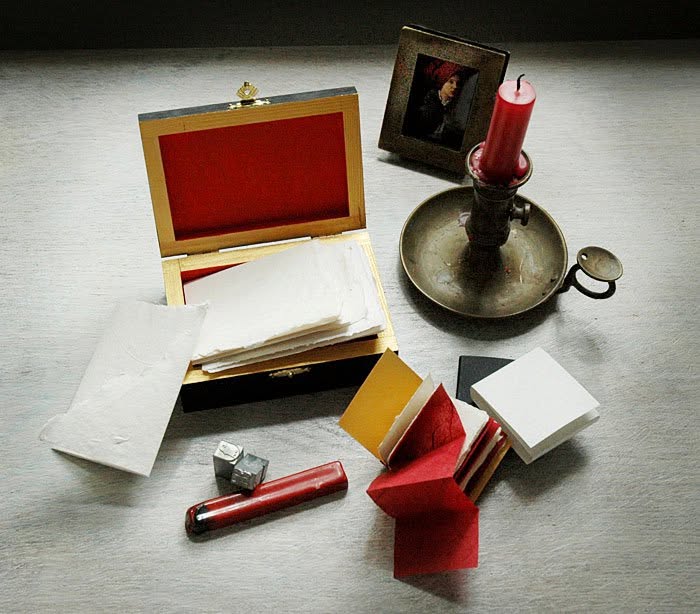
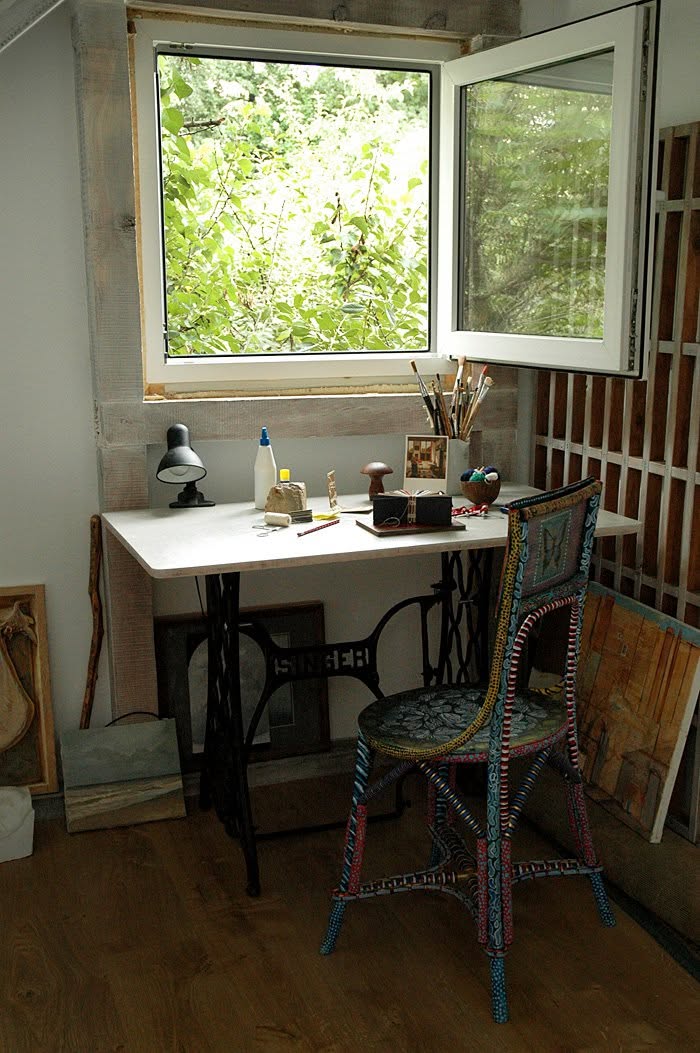
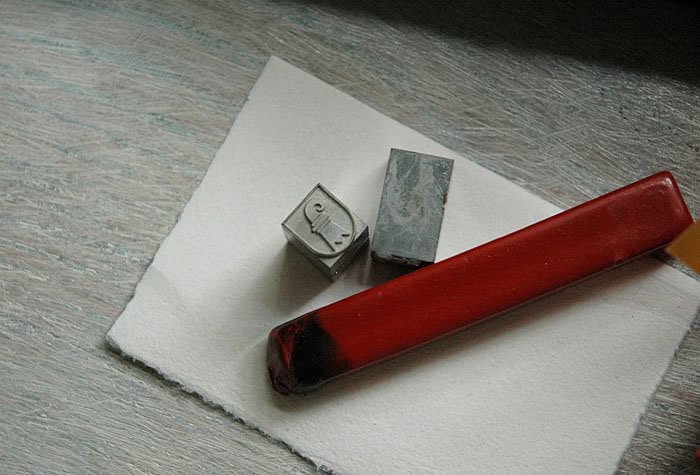
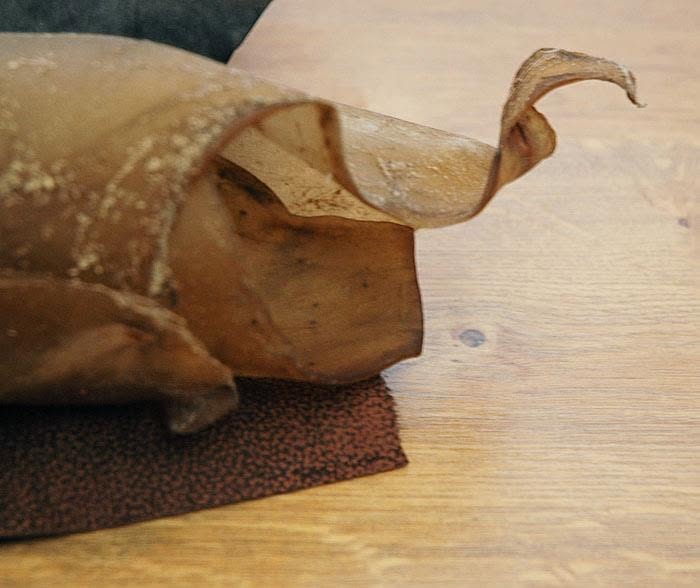
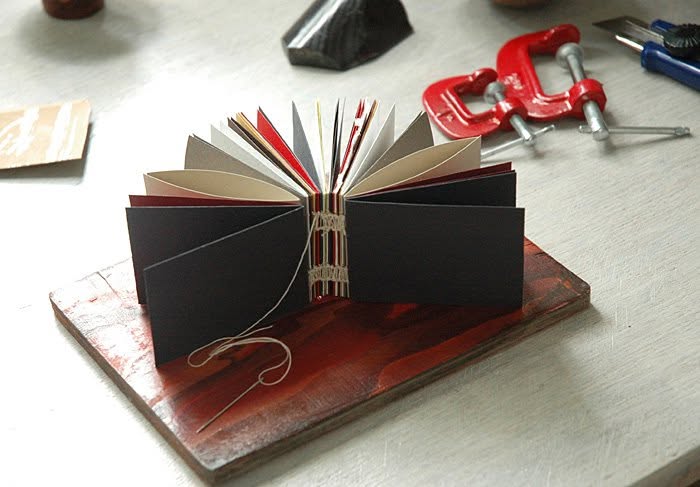
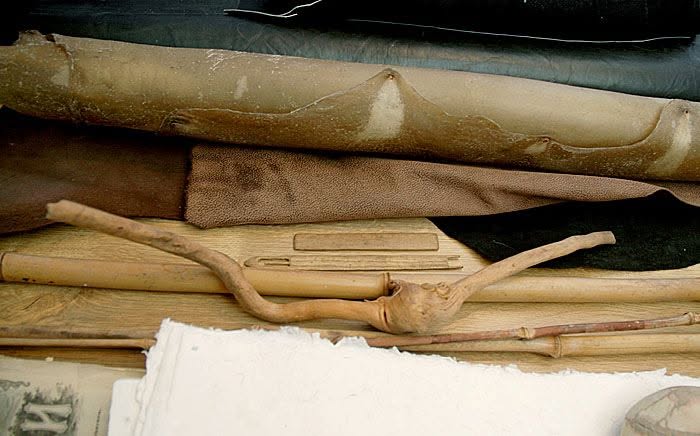
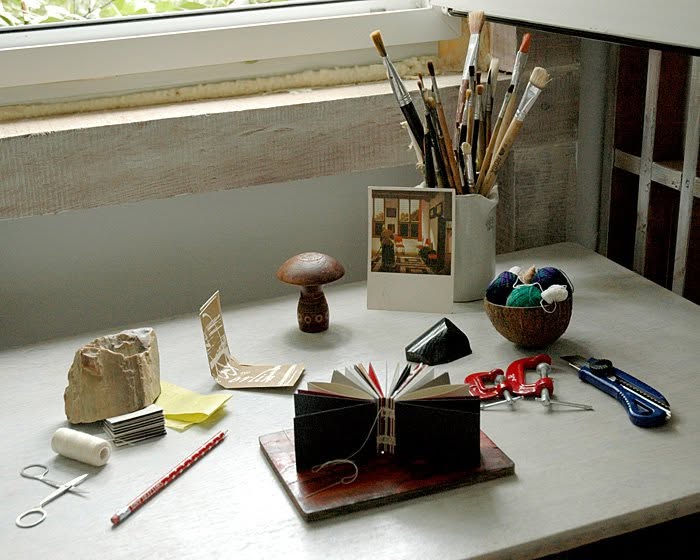
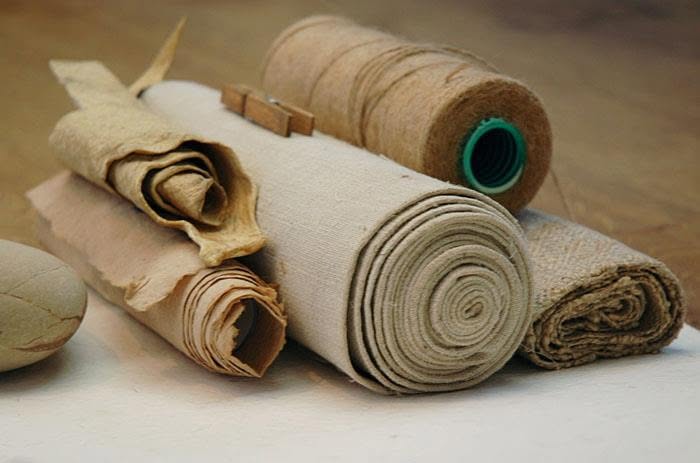
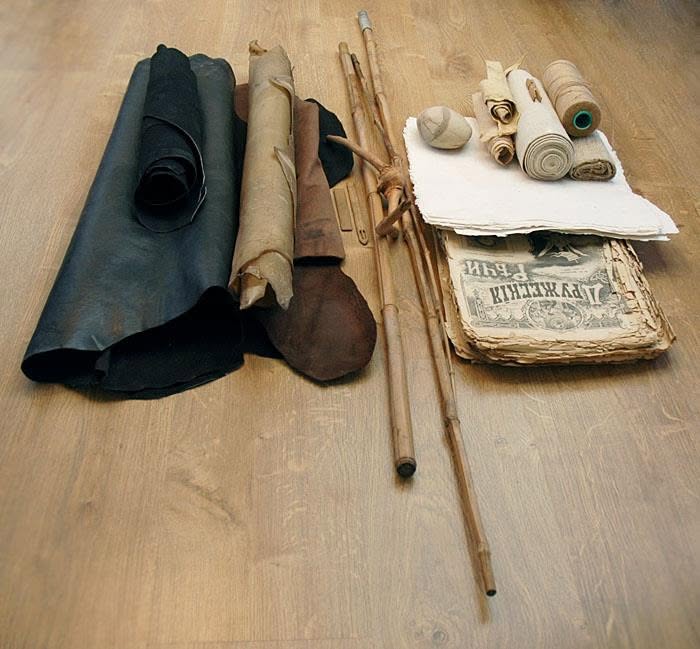
Paper making begins with the preparation of a fibrous pulp. For larger quantities, I used prepared cellulose pulp, while various plant materials — including coconut and banana fibers — were added experimentally to create different densities, textures, and surface qualities.
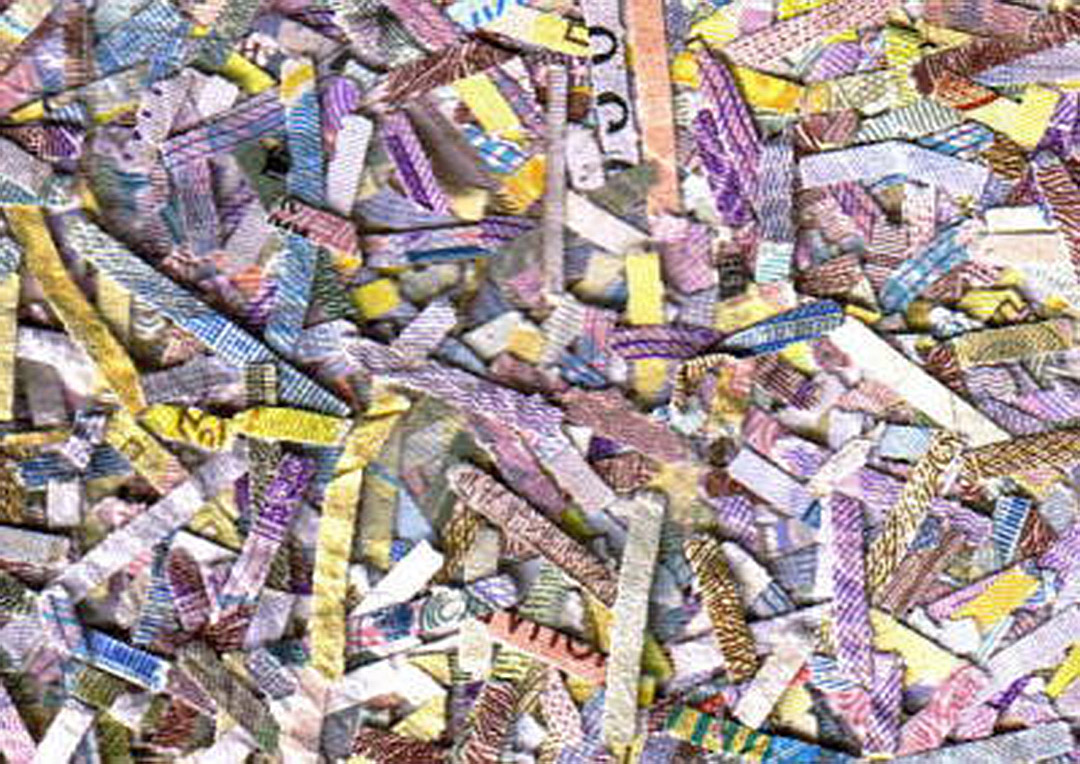
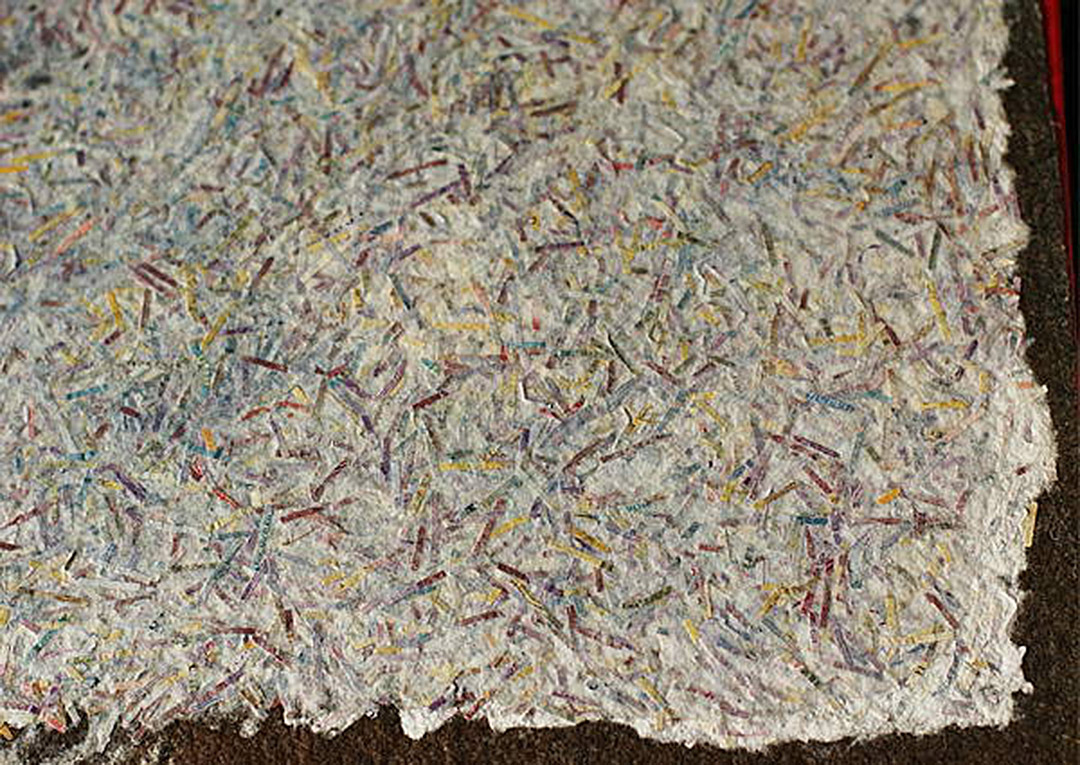
The cellulose was broken down into pulp and diluted with water to the required consistency, then collected on a mould and deckle. This was followed by couching — transferring the wet sheet from the mould onto an absorbent surface — and pressing. For larger batches, I used a roller press, which helped remove excess moisture more efficiently and achieve a more even sheet thickness. At this stage, plant fragments, threads, pieces of fabric, and other materials could be incorporated into the pulp, turning each sheet into an individual textured surface.
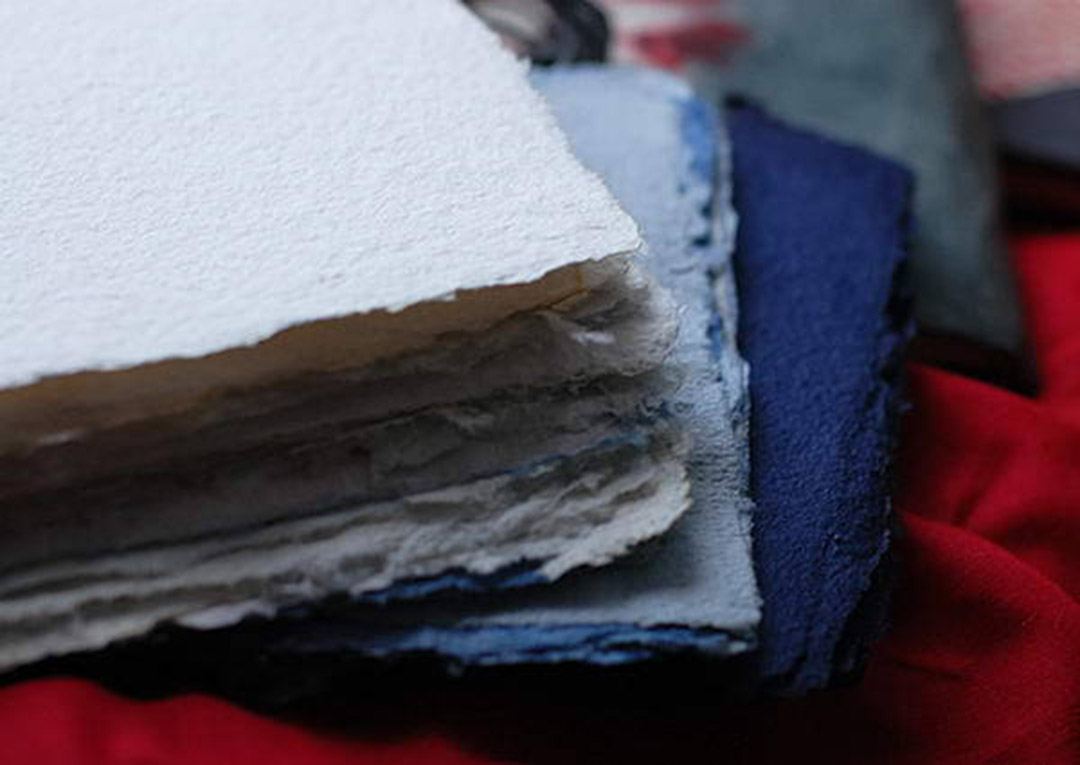
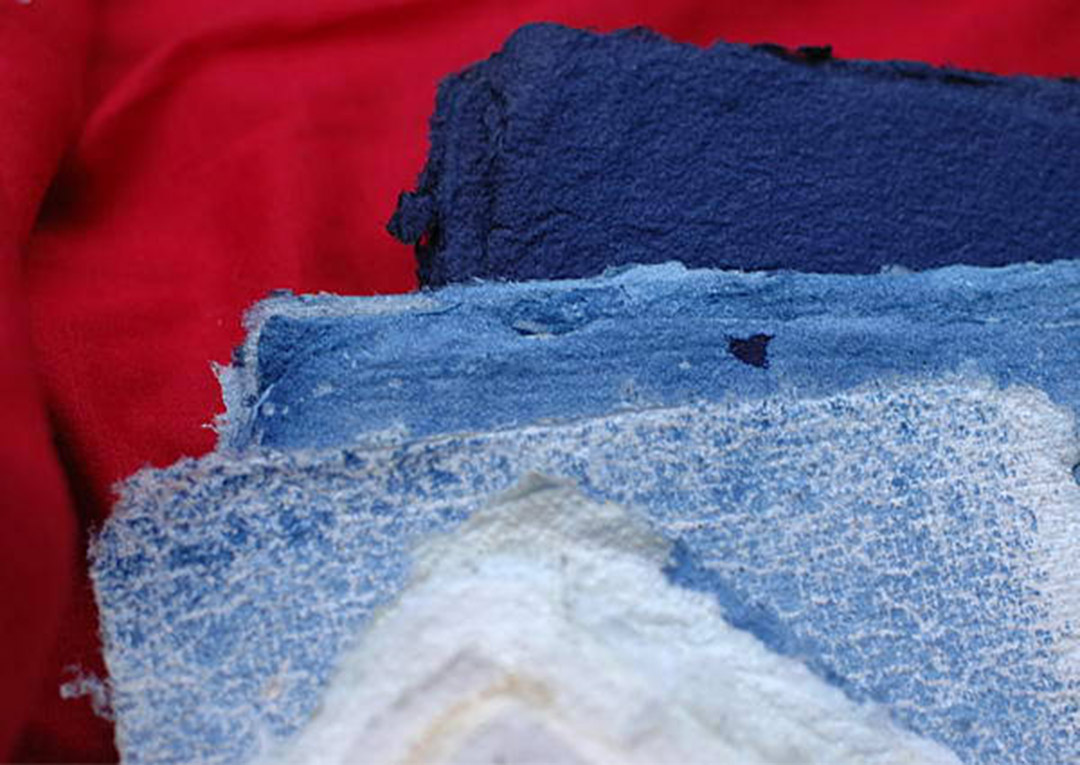
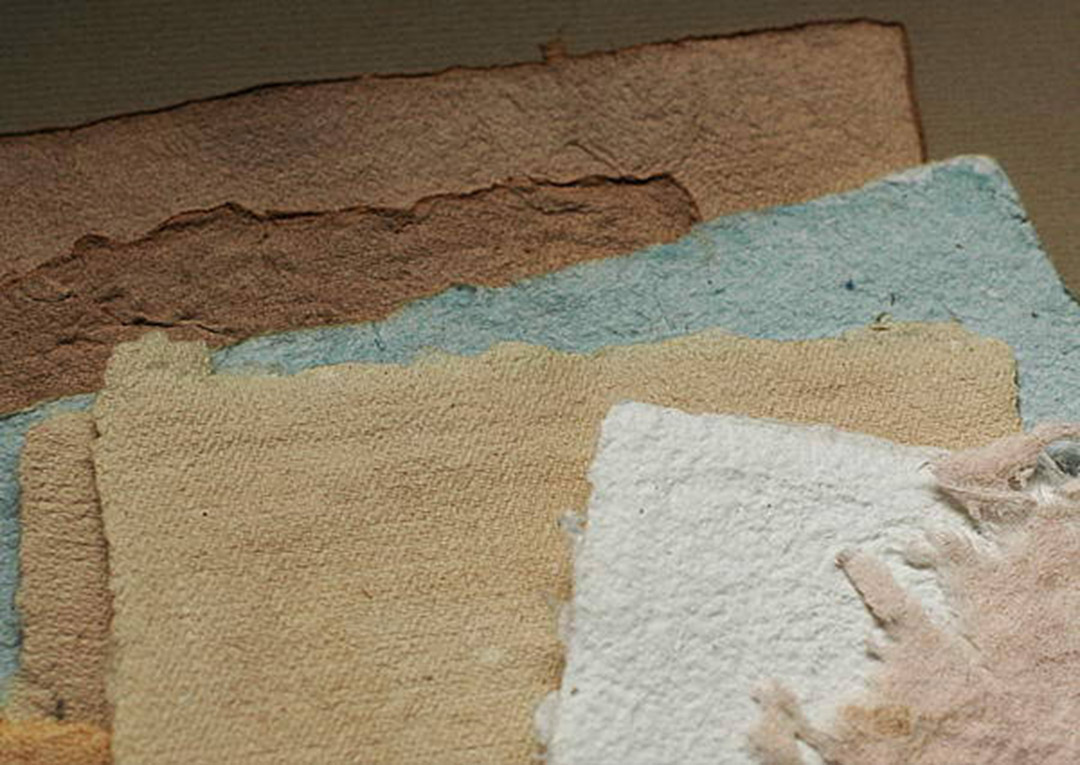
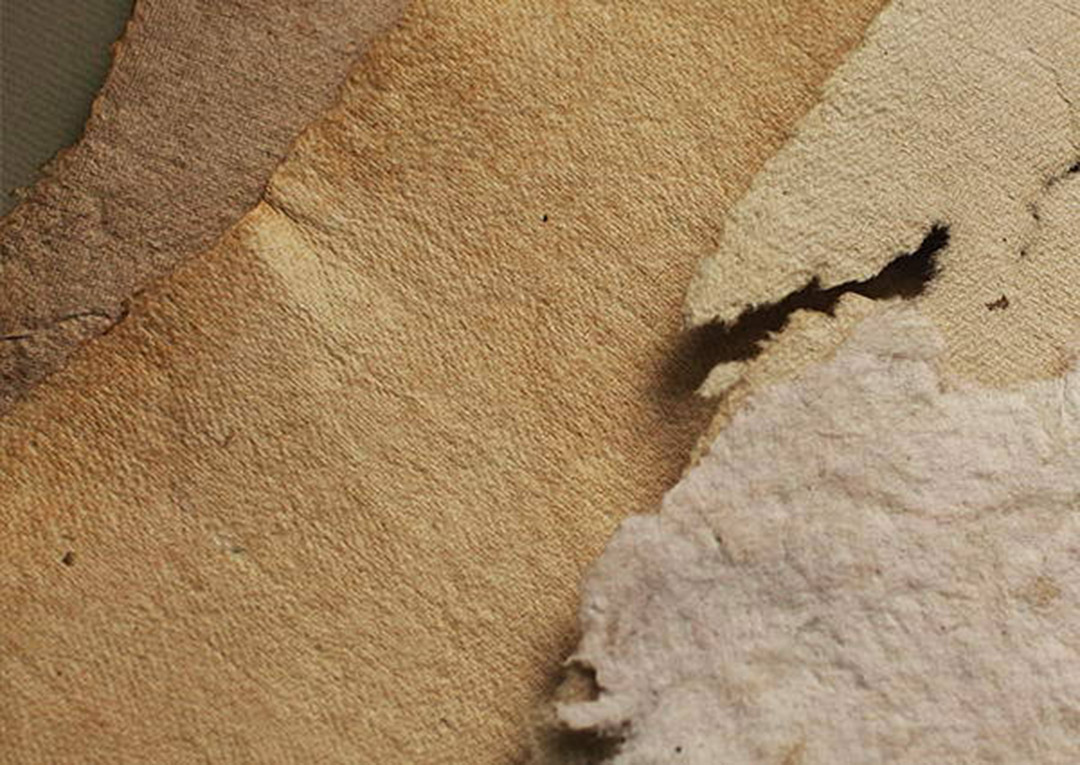
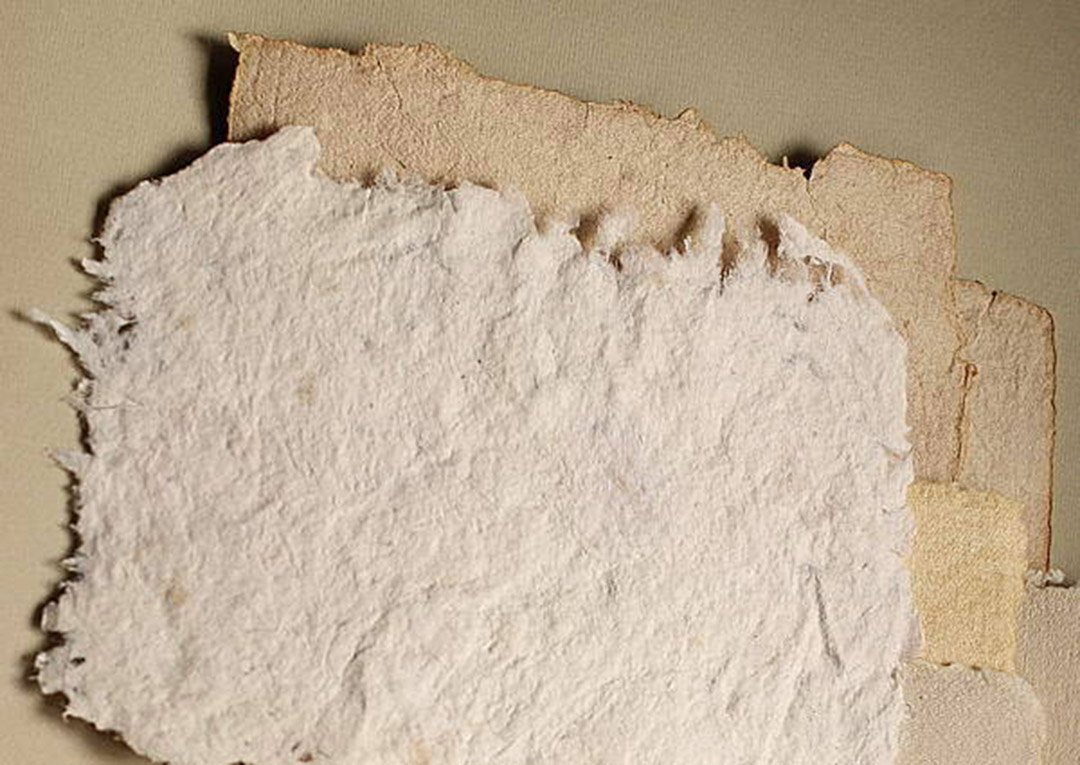
After forming and pressing, the sheets were dried and, when necessary, additionally sized or surface-treated. Much of the process was based on experimentation with pulp composition, water content, sheet thickness, pressing time, and drying methods. As a result, the paper could be smooth or coarse, thin or almost cardboard-like, uniform or strongly textured with visible plant fibers. For my RUTABOOK book projects, paper was not simply a surface for an image, but one of the essential materials of the book itself
The finished paper created for the RUTABOOK projects was never intended to serve as a neutral surface. Each sheet had its own texture, density, and surface pattern, becoming an integral part of the book itself.
Plant fibers, dried flowers and grasses, threads, pieces of fabric, and other materials were incorporated into the pulp. Depending on the composition, a sheet could resemble cloth, bark, aged parchment, or an almost translucent surface with barely visible inclusions.
The texture and color of the paper were chosen in relation to the character of each individual book. At times, the material itself determined the direction of the entire work — influencing the imagery, binding, typography, and even the way the book was meant to be handled and experienced.